


Caregivers’ Health Experiences Spotlighted in New Research
Recent Publications Amplify Our Findings
As healthcare professionals, caregivers are finely attuned to the health and wellbeing of their clients, but it’s essential they also have access to the care they need.
SEIU 775 Benefits Group is committed to continuously using data and research to strengthen caregiver benefits, especially related to their health and wellness. Recently, two of our studies exploring caregivers’ health experiences were published.
The new research – on healthcare navigation during the COVID-19 pandemic and chronic pain management – will inform ongoing work to strengthen caregiver benefits and programs.
Understanding Health Care Access in Times of Disruption.
The first study examined caregivers’ ability to access healthcare during the COVID-19 pandemic. Through a partnership with the University of Washington, researchers examined 62 months of medical claims data from over 35,000 home care aides in Washington state.
The data sheds insight on the frequency and type of care caregivers sought during this period. Key findings, published in Home Health Care Services Quarterly, include:
- The pandemic led to significant healthcare disruptions for these caregivers in its earliest months across all health conditions, with the most prominent being outpatient care.
- Healthcare utilization for these same caregivers notably returned to pre-pandemic levels after the first three months of the pandemic.
- During this period, mental health benefit utilization was higher compared with pre-pandemic, suggesting an increased demand for these services.
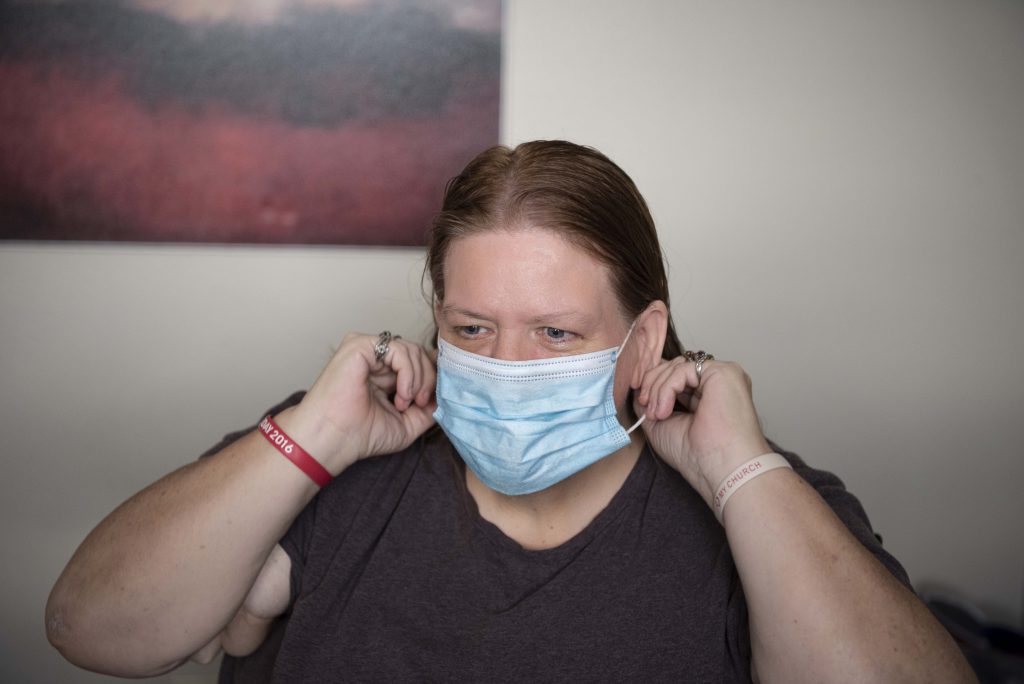
Important pivots by the Benefits Group to support access to care during this period include promoting telehealth and mental health supports, and extending continuous health coverage to those who had lost work hours. The research also supports the Benefits Group’s understanding of the importance of accessible mental health support for caregivers.
One example of this is our ongoing partnership with Headspace, which provides 24/7 app-based support and coaching. Additionally, caregivers’ health coverage supports traditional behavioral health therapy, with recent enhancements including new mental health programs for caregivers and their kids.
“This research shows that even in the midst of mass interferences with the healthcare delivery system, measures can be taken to establish continuous access to care,” said Kate Causey, Manager of Quantitative Research and a co-author of the study. “And these crisis-related interventions can be applied during returns to stability to maximize health outcomes.”
Supporting Chronic Pain Management
Caregivers face an increased risk for injuries and chronic pain due to physically-demanding work, such as lifting and assisting clients and the use of repetitive or prolonged postures. To better understand how to support caregivers, we partnered with researchers at Oregon Health & Science University to test the effectiveness of a 10-week online group-based chronic pain management program with 19 caregivers.
The program, COMPASS for Navigating Pain, provided caregivers with knowledge and tools to prevent injuries, reduce pain flareups and manage pain. The program introduced the use of ergonomic tools to ease difficult tasks and offered caregivers strategies for changing how they respond to and manage pain.

The findings, published in the Journal of Occupational and Environmental Medicine include:
- Reduced overall pain levels – with large reductions in pain interfering with caregivers’ daily life and moderate reductions at work.
- Improvements in overall mental health and a reduction in work-related burnout.
- A substantial increase in the use of ergonomic tools and techniques.
These promising findings have the potential to build upon the ways the Benefits Group already supports caregivers in managing chronic pain. This includes access to affordable physical therapy and alternative care, like acupuncture, massage therapy and chiropractor visits, through their healthcare coverage. App-based pain relief management and physical therapy programs are also available through our coverage.
In considering future interventions, the virtual nature of the program is an important plus. “Online programs supporting caregivers’ wellbeing can enhance accessibility for rural caregivers, reduce healthcare disparities and provide a greater sense of community for caregivers in remote places,” said Elizabeth Nguyen-Kearns, Research Operations Senior Program Manager and a co-author of the study.
Effective benefits need to be responsive to the daily needs and realities of those using them. Continual research-informed refinement, like those highlighted in these recent publications, allows the Benefits Group to actively ensure our benefits work for Washington’s caregivers.
To receive a copy of the either of the full studies, email research@myseiubenefits.org.